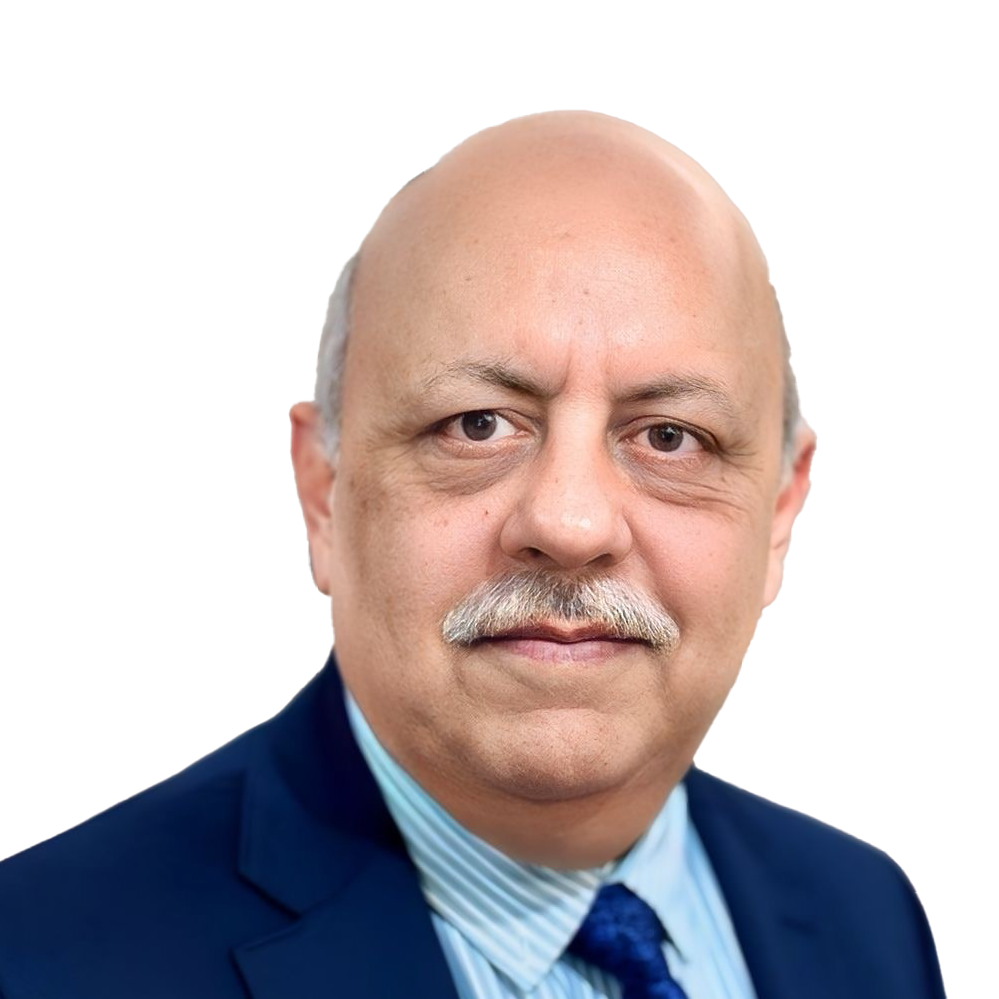


























SAS physicians play a vital role in delivering high-quality patient care across the NHS. During SAS Week 2026, RCP SAS lead Dr Naeem Aziz reflects on the growing influence of the SAS community within the RCP, the progress made in recent years, and the opportunities still ahead.
When I first became involved in the RCP SAS Network, my motivation was simple: I felt that SAS physicians needed a stronger voice within the profession, and that voice needed to help shape meaningful change. Representation matters, but it is only the starting point. The real value comes when the experiences of SAS physicians influence policy, education, workforce planning and the way services are designed.
Over the past few years, I have seen that happen. The RCP SAS Network is stronger than it has been for some time, with more representative posts filled across the UK. That matters because local representatives do far more than act as points of contact. They bring the perspectives of SAS physicians into the college, help identify the issues that matter most to colleagues, and demonstrate that engaging with the RCP can lead to real professional opportunities.
The next step is influence. SAS physicians are an incredibly diverse group. Some are at an earlier stage of their career development, while others are highly experienced clinicians with significant responsibilities in leadership, education, service development and governance. Yet the assumptions that organisations make about SAS roles do not always reflect that reality. When SAS physicians are not represented in decision-making, outdated perceptions can persist.
That is why I have valued opportunities to contribute not just through the SAS Network, but also through RCP education and professional development, the RCP SAS Leadership Programme, fellowship processes, and wider work on workforce and professional development, including RCP guidance on educational and career support for SAS doctors. It is also why the RCP SAS priorities for 2026–30 are so important. They move the conversation beyond recognition alone to focus on career development, leadership, representation and challenging outdated assumptions about SAS careers.
We can already see the difference that influence can make. I was pleased to work closely with the former RCP clinical vice president Dr John Dean to develop the 2025 RCP guidance on job planning, Empowering physicians, which explicitly included specialist and associate specialist physicians alongside consultants. The guidance recognises the importance of capability, responsibility, professional development, autonomous practice and leadership when designing medical roles.
For me, this reflects an important progression: representation, influence and, ultimately, change. The same principles are relevant beyond RCP policy. In my NHS work, I have applied capability-based workforce planning in practice, including appointing a specialist SAS physician to a service that had previously relied on a consultant post. That is not because consultant and SAS roles are interchangeable. It is because services should focus on the skills, expertise and capabilities they need, and make the best use of the talent available to them.
There is still more to do. SAS doctor membership and participation in the RCP will not grow simply because we ask people to join. We must continue to show that SAS physicians are a valued part of the college's professional community and that their contributions help shape our work and priorities.
So my message during SAS Week 2026 is simple: get involved. Join our network. Contribute to education. Apply for fellowship and leadership opportunities. Bring your experience and perspective to college discussions.
A stronger SAS voice is not about creating a separate professional identity. It is about ensuring that the full physician workforce helps shape the standards, guidance and services that support high-quality patient care. If you are not already a member of the RCP, I encourage you to consider joining and contributing to our work to make SAS medicine a viable, rewarding and sustainable long-term career within the NHS.
Dr Naeem Aziz
SAS lead