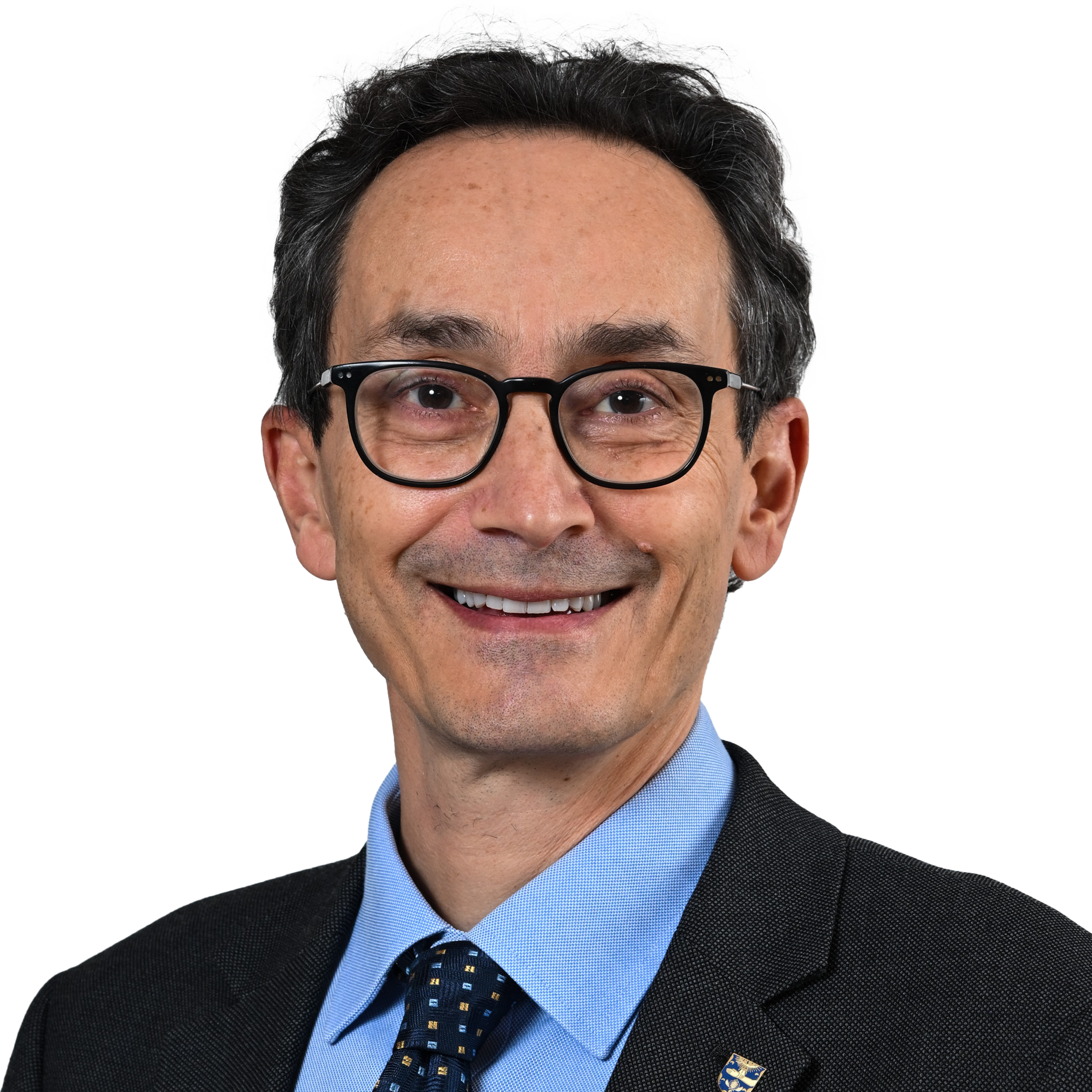


























Medicine 2026, the Royal College of Physicians’ flagship annual conference, brought together over 1,300 healthcare professionals for two days of learning, collaboration and forward-thinking debate. RCP academic vice president Professor Tom Solomon reflects on how, with more than 90 expert speakers delivering 22 sessions across clinical practice, healthcare policy and innovation, the conference offered a timely view of the challenges and opportunities facing modern medicine.
One of the things I most enjoyed about Medicine 2026 was seeing so many different parts of the profession come together to tackle challenges that affect us all. Developed with a wide range of partner organisations, the conference focused on some of the biggest pressures facing healthcare today: rising demand, rapid technological change and workforce shortages. Throughout the programme, the emphasis was on practical solutions, shared learning and how we can work together to improve care for patients.
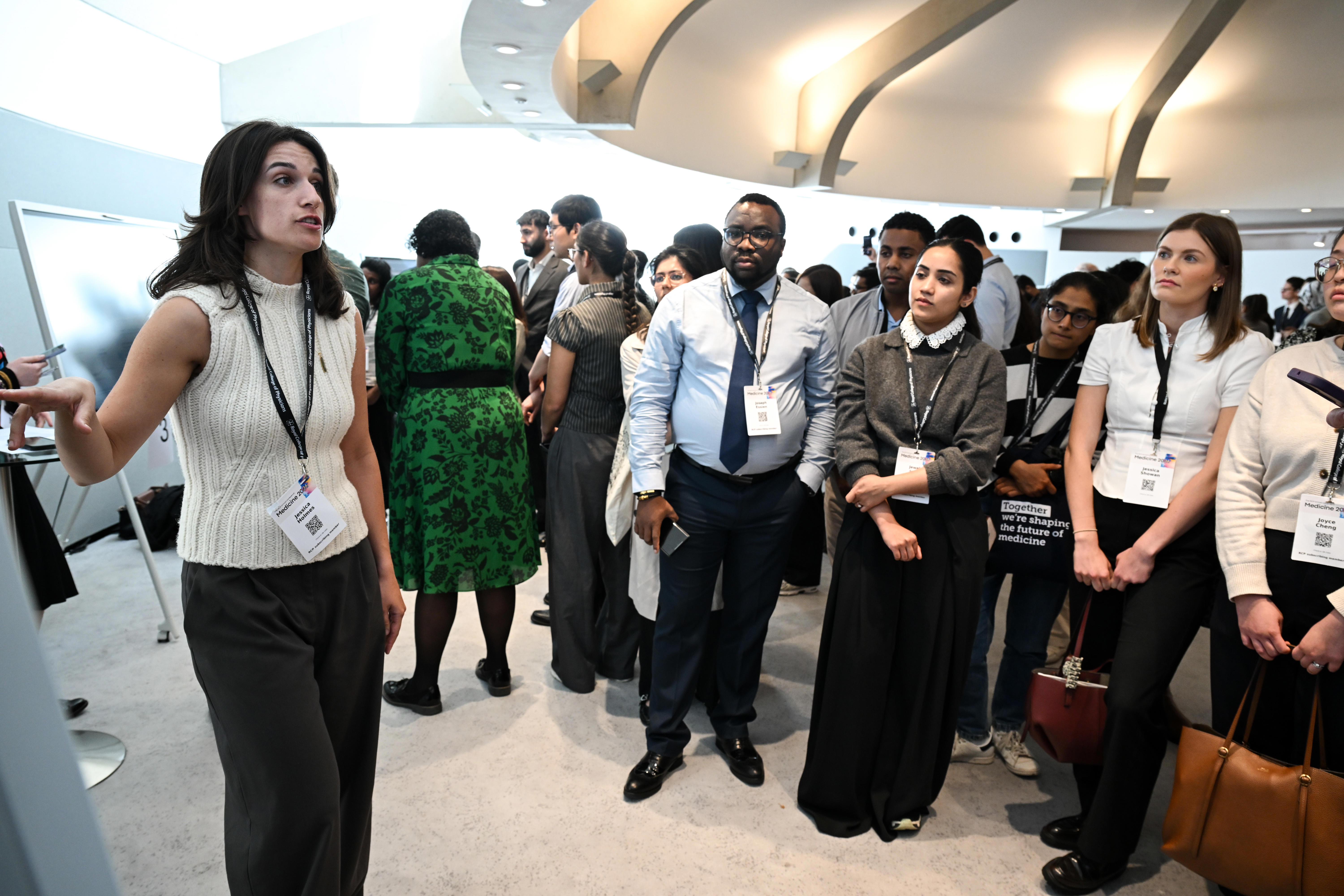
I was also keen that Medicine 2026 was about more than sitting in lecture theatres. Alongside the plenary sessions, we included workshops, hands-on learning opportunities and poster presentations, creating space for clinicians at every stage of their careers to share research, exchange ideas and build networks. For me, that interaction and sense of community is one of the most valuable aspects of the conference.
Sessions that stayed with me
Several sessions stood out for their relevance and the discussions they generated.
Artificial intelligence in the NHS
This was one of the most popular sessions of the conference. It explored the transition from analogue to digital healthcare and examined where artificial intelligence might genuinely improve patient care and service delivery. What I particularly liked was the balanced discussion: enthusiasm for the opportunities, but also a realistic appraisal of the challenges, including bias, governance and implementation.
Symptom-based disorders in the era of digital platforms
This session tackled a topic that many clinicians are increasingly encountering in practice. Speakers explored how social media and online health information are shaping the way patients understand and communicate symptoms, and what this means for diagnosis, management and the doctor–patient relationship. It provided a thoughtful and practical perspective on a rapidly evolving area.
Crowds, crises and chronic disease: medicine at a global scale
Medicine does not stop at national borders, and this session highlighted the importance of thinking globally. Discussions ranged from infectious disease threats and humanitarian crises to the growing burden of chronic disease, demonstrating how collaboration across disciplines and countries can help us respond more effectively to shared challenges.
Hospital to community: neighbourhood health in focus
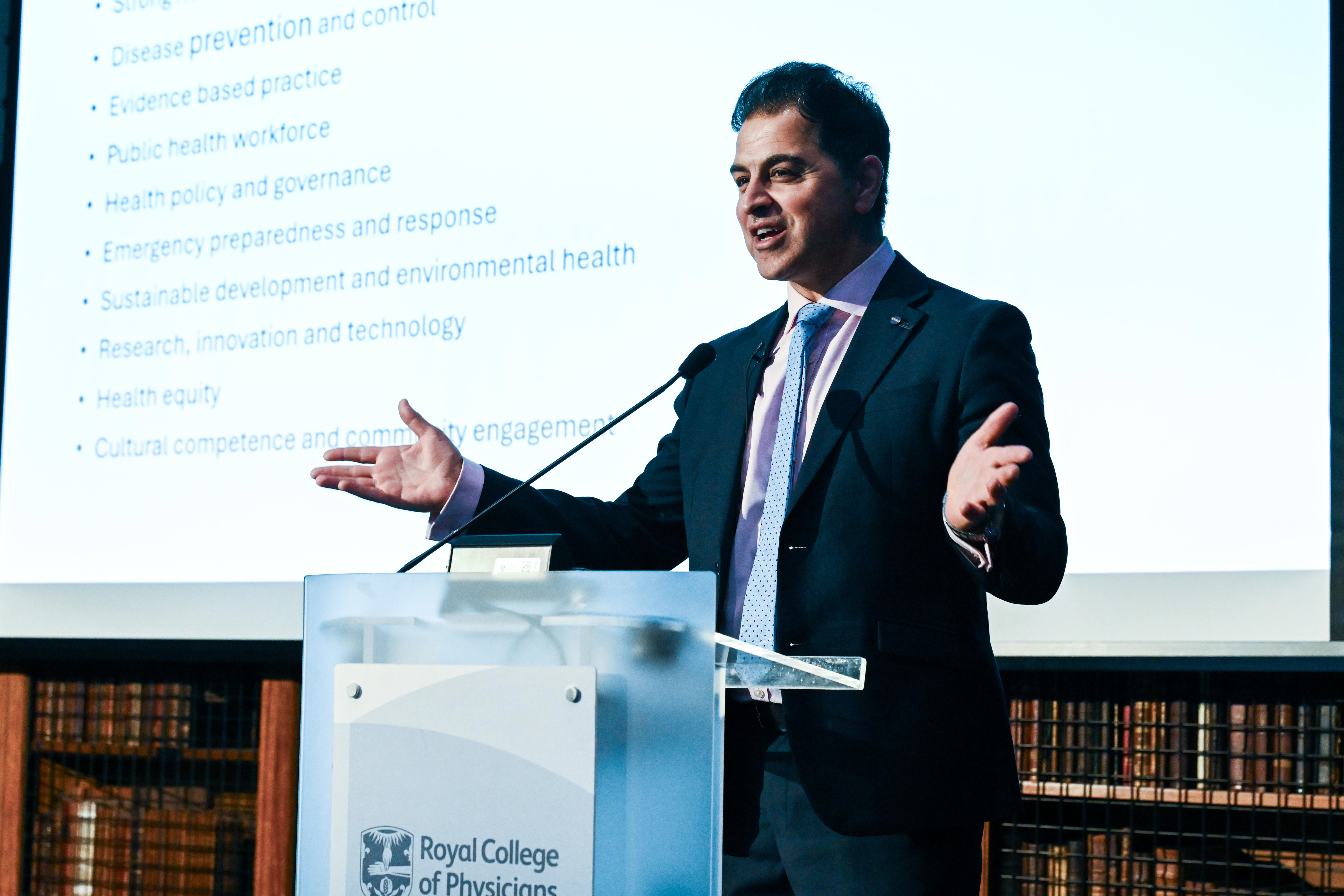
This session looked at how healthcare can be delivered closer to where people live, with a greater focus on prevention, integration and community-based care. The discussion reinforced the importance of neighbourhood approaches and multidisciplinary working if we are to meet future healthcare needs sustainably.
Alongside these sessions, there were excellent specialty updates across a broad range of disciplines, helping delegates stay up to date with developments in clinical practice and research.
Catch up on demand
Of course, no one can attend every session. That's why Medicine 2026 is available on demand, allowing you to catch up on key discussions at a time that suits you.
By booking access, you can:
- watch sessions when it is convenient for you
- revisit keynote lectures, panel discussions and clinical updates
- earn more than 20 CPD credits
- learn from leading voices across medicine, research and health policy.
Bookings remain open until 30 June, with access available until 4 September.
If you missed the conference, or want to revisit any of the sessions, I would encourage you to take advantage of the on-demand programme and continue the conversation. Book your place.
Professor Tom Solomon CBE
Academic vice president