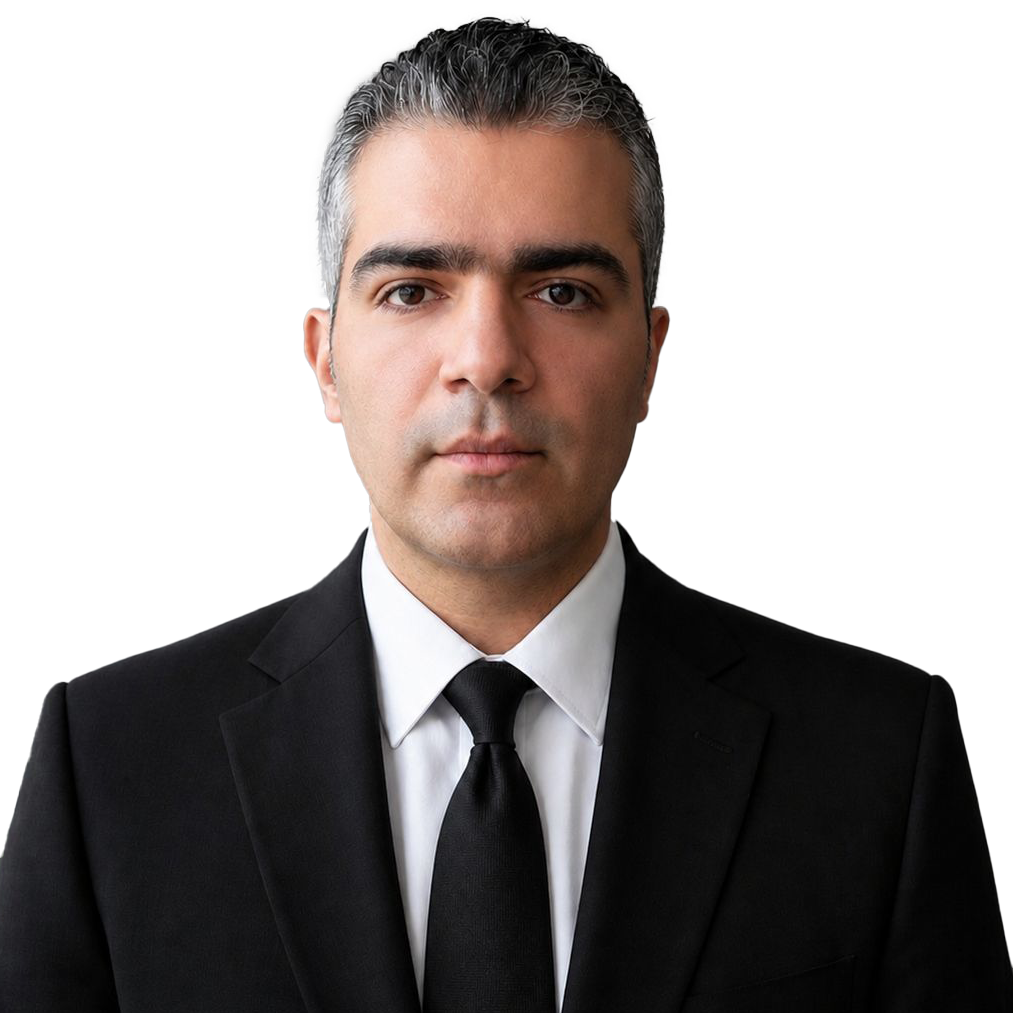
Drawing on ideas from his paper, From capacity to sustainability: Rethinking healthcare flow, published in the latest issue of the RCP journal Future Healthcare Journal, consultant surgeon Mr Mohamed Alkashty argues that reducing waiting lists must not come at the expense of workforce wellbeing or the time, supervision and opportunities needed to train the next generation of doctors.
Across the NHS, increasing activity has become a defining measure of success. More operations, more appointments and more patients treated are rightly celebrated, particularly after years of mounting demand and unprecedented pressure on services. But performance activity tells only part of the story.
Healthcare is not simply a system of beds, clinics and operating theatres. It is a system built on people: doctors making complex decisions, multidisciplinary teams coordinating care, and staff maintaining safe services day after day under considerable strain. When these human elements come under pressure, a service may continue to perform in the short term while becoming less resilient in the long term. This is why we need a broader conversation about healthcare flow.
Traditionally, discussions about flow focus on demand and capacity. If demand exceeds capacity, delays grow. If capacity increases, flow improves. These principles remain important, but they do not fully capture what many clinicians experience every day: that the ability to deliver care depends not only on physical resources but also on the health and resilience of the workforce.
When waiting lists rise or emergency demand surges, services often respond with additional clinics, weekend operating, escalation beds and overtime. These measures can be effective. The challenge is understanding when they represent genuine capacity growth and when they are masking deeper pressures within the system.
One way of thinking about this is through the idea of sustainable flow capacity: the level of activity that can be maintained without progressively undermining workforce wellbeing, patient safety, training quality or organisational resilience.
A service that increases output while maintaining stable staffing, protected recovery time and good safety outcomes may have achieved sustainable improvement. A service delivering the same increase through repeated overtime, cancelled leave and growing workforce fatigue may be achieving something very different. This matters because every system has limits.
Many clinicians will recognise the point at which additional effort delivers diminishing returns. Another escalation area opens. Another initiative is introduced. Staff are redeployed once again. People work harder, but the gains become smaller and harder to sustain.
This is what might be described as flow saturation: a state in which increasing operational pressure produces progressively less benefit while placing ever greater strain on staff and services.
Often, the warning signs appear before a service reaches crisis point. Delays in senior decision making, loss of training opportunities, increasing sickness absence, rota instability and concerns about continuity of care can all signal that a system is approaching its adaptive limits.
Perhaps the most useful concept is that of flow debt. Just as financial debt allows us to achieve something today at a cost tomorrow, flow debt describes the organisational strain that accumulates when short-term solutions become long-term dependencies. Repeated overtime, delayed annual leave, reliance on staff goodwill, persistent rota gaps and recurring escalation measures may help maintain activity in the short term, but they can also store up future problems.
Flow debt also has consequences for the next generation of doctors. When service pressures repeatedly displace protected learning, supervision and training opportunities, the NHS may maintain activity today while weakening the workforce it will depend on tomorrow. Resident doctors are not simply additional capacity. They need time and support to develop the judgement, confidence and expertise required to deliver safe, high-quality care throughout their careers.
These consequences are rarely visible on performance dashboards. A waiting list may fall while sickness absence rises. Activity may increase while training opportunities shrink. Productivity gains may coincide with growing burnout, staff turnover and doctors feeling less prepared for the next stage of their careers. On paper, the service appears to be succeeding. In reality, it may be drawing down the workforce and educational capacity needed to sustain patient care in the years ahead.
This matters because workforce wellbeing and patient care are inseparable. Evidence has repeatedly shown links between staff wellbeing, burnout and patient safety outcomes. A sustainable NHS cannot be built on the assumption that people will continue absorbing ever-increasing pressure indefinitely.
That does not mean we should abandon efforts to improve access to care. Patients deserve timely treatment, and health systems must continue seeking ways to increase productivity and reduce delays. However, we should become more sophisticated in how we judge success.
Alongside activity measures, organisations should also pay close attention to indicators of workforce resilience, operational pressure and patient safety. Trends in sickness absence, turnover, rota gaps, delayed leave, training disruption and safety metrics may be just as important as headline performance figures in understanding whether improvements are truly sustainable.
The NHS has spent years asking how much more activity it can deliver. The question now may be a different one: how much activity can it deliver while remaining safe for patients, sustainable for staff and resilient for the future? If we fail to ask that question, we risk celebrating progress today while creating the pressures that will undermine healthcare tomorrow.
You can read the full research paper, From capacity to sustainability: Rethinking healthcare flow, in the latest issue of the RCP journal, Future Healthcare Journal.
Mr Mohamed Alkashty
Consultant surgeon