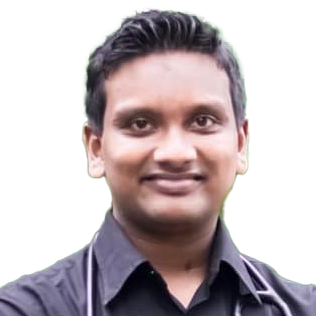


























In this next generation blog, Dr Latif Raiyan Rahman FRCP reflects on his experience as an international medical graduate (IMG) in the NHS, drawing on both personal insight and research to explore what meaningful support looks like and why it matters for the future of patient care.
What we learned
- IMGs face a dual transition – clinical and cultural – when joining the NHS.
- Emotional experiences such as isolation and uncertainty are common (and often invisible).
- Small acts of support can have a significant impact on confidence and belonging.
- Structured, equitable support systems are essential for safe patient care.
- Reliance on individual resilience must be replaced with organisational responsibility.
- Supporting IMGs effectively strengthens workforce sustainability and patient outcomes.
The first on call shift in a new country is rarely remembered for clinical decisions alone. It is shaped by unfamiliar corridors, the effort of working in a different accent and a quieter question that sits beneath every interaction: do I belong here?
For many IMGs joining the NHS, this question persists long before confidence has time to develop. The early years of training are often described as a period of rapid professional growth. For IMGs, this transition takes place alongside adapting to a new country, culture and healthcare system.
As an acute physician, educator and IMG, this reflects lived experience – my own, and that of many colleagues. IMGs now make up 42% of the total UK medical workforce, a significant proportion of doctors in the NHS, and my research, undertaken as part of my MSc in medical education, has identified four recurring themes: feeling forlorn, unmet expectations, appreciation of support, and enduring optimism. Together, these describe an emotional landscape that is often unseen.
Have your say – join the conversation
The experiences highlighted in this blog are shaping the RCP’s work to better support IMGs. Join RCP president Professor Mumtaz Patel for a dedicated networking session focused on listening to IMG doctors across the UK. Share your experiences and help shape the strategy and direction of the RCP:
- Wednesday 3 June 2026
- 12.30 –1.45pm
- Open to IMG doctors and those working closely with them
- Exclusive to RCP subscribing members.
You are welcome to join for the full session or drop in as your schedule allows. Book your space.
Feeling forlorn extends beyond homesickness. It reflects the loss of familiarity, identity and established support networks, alongside cultural uncertainty and a persistent sense of not yet belonging. Unmet expectations are also common. Many IMGs arrive with deep respect for the NHS, but encounter financial pressures, housing challenges, unfamiliar training pathways, and, at times, inequity or discrimination.
At the same time, gratitude remains powerful. Small acts – a supportive supervisor, a welcoming team – can make a disproportionate difference. Alongside these challenges sits strong optimism: pride in adapting, commitment to patient care, and determination to build a career within the NHS.
These experiences point to a clear conclusion: supporting IMGs requires structure, belonging and fairness. Key priorities include:
- enhanced induction with structured shadowing
- strong pastoral support
- peer mentorship and community networks
- supervisors who understand IMG specific challenges
- clear and equitable pathways to progression
- practical guidance on training systems
- psychological safety to raise concerns
- fair access to exams, study leave and leadership opportunities
- teaching tailored to learning needs.
These are not additional benefits. They are the foundations of safe, high quality patient care – and where support is inconsistent, the impact extends beyond individual experience.
IMGs may experience isolation, stress and reduced confidence at a critical stage in their careers. This can shape wellbeing, workplace interaction and long term career decisions. Some may step back from progression or reconsider their future in the UK altogether. For a health service that relies on the contribution of IMGs, this should be a matter of collective concern.
If IMGs are to thrive, three shifts are needed:
- Support must extend beyond the first weeks into the first years
- Equity requires mentorship, protected development time and organisational accountability
- Resilience should be recognised but not relied upon to compensate for gaps in support.
The RCP has a clear role to lead and influence on this agenda. This means advocating for consistent national standards for IMG induction and support, embedding equity within training pathways, and holding employers to account for the quality of working and learning environments.
Employers, educators and national bodies must work together to ensure IMGs have fair access to opportunity, high quality supervision and safe, supportive workplaces. This is not only a workforce issue – it is central to delivering safe patient care and sustaining the NHS.
Every IMG carries two journeys: one recorded on a CV, and another shaped by experience that is rarely visible. I still recall the uncertainty of arrival, the challenges of adapting, and the lasting impact of small acts of kindness. These experiences continue to shape how I teach, supervise and lead.
Supporting IMGs is not simply about kindness. It is about fairness, responsibility and the future of the NHS. When IMGs succeed, the whole system benefits.
Dr Latif Raiyan Rahman FRCP
International medical graduate (IMG)