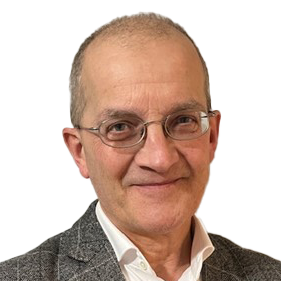


























Dr Chris Packham, RCP special adviser on public health and prevention, and chair of the public health and prevention advisory group shares his reflections and updates on the RCP's preventative work.
Good health depends on far more than good healthcare alone.
As physicians, we see every day the consequences of preventable illness in our clinics, wards and at the front door of our hospitals. We treat people with alcohol-related liver disease, tobacco-related cancers, obesity-related complications and a wide range of conditions driven by poverty, poor housing, poor air quality and other social factors. The symptoms may present in our hospitals, but the root causes of many of these illnesses lie far beyond the healthcare system itself. That is why the RCP has established a new public health and prevention advisory group to amplify the physician voice on prevention alongside work on other public health issues.
While advances in medicine continue to improve outcomes for many patients, improvements in life expectancy have stalled and health inequalities persist across the UK. People living in the most deprived communities can expect to live almost 20 fewer years in good health than those in the least deprived communities. Last year, 46% of respondents to an RCP membership survey told us that at least half of their workload was caused by illnesses or conditions related to the social determinants of health. Health inequalities must be at the heart of what we do.
The new RCP advisory group will advise on campaigning priorities and strengthen the college's voice and advocacy work on prevention. It brings together national and international expertise in health inequalities, alcohol harm, tobacco, obesity, air quality, homelessness, inclusion health, sustainability and climate change, alongside front-line physicians from different specialties and career stages. Expert working groups will develop evidence-based recommendations that strengthen the physician voice in public debate and support the RCP's efforts to influence national policy and improve population health.
Alcohol-related harm has already emerged as a key concern, disproportionately affecting people in the most deprived communities. We will develop a refreshed policy position on alcohol, focusing on health impacts, service provision, inequalities and the wider commercial determinants of health. We will also campaign on tobacco, air quality and obesity, making sure that our recommendations are heard by policymakers, reflected in public debate and translated into meaningful action to improve health and reduce inequalities.
The group also strongly supported a life-course approach to prevention, recognising that the foundations of adult health are often laid in childhood and even before birth. Early intervention offers one of the greatest opportunities to improve long-term health outcomes and reduce future demand. Physicians must make the case for policies that support health at every stage of life.
We also discussed the growing impact of environmental factors and climate change on health. Clean air, sustainable healthcare and resilience to climate-related health risks must be priorities, particularly as climate change continues to exacerbate health inequalities.
The challenge is clear, but so is the opportunity. If we are serious about improving health, we must both advocate for wider societal conditions in which health can thrive, but also promote the role of the healthcare we provide to support more equitable outcomes of care. Physicians see the impact of inequality every day, giving us a unique perspective and a powerful voice. The RCP will continue to use that voice to help build a healthier, fairer society and help the NHS to play its part to the full.
Dr Chris Packham
RCP special adviser on population health